Skip to content
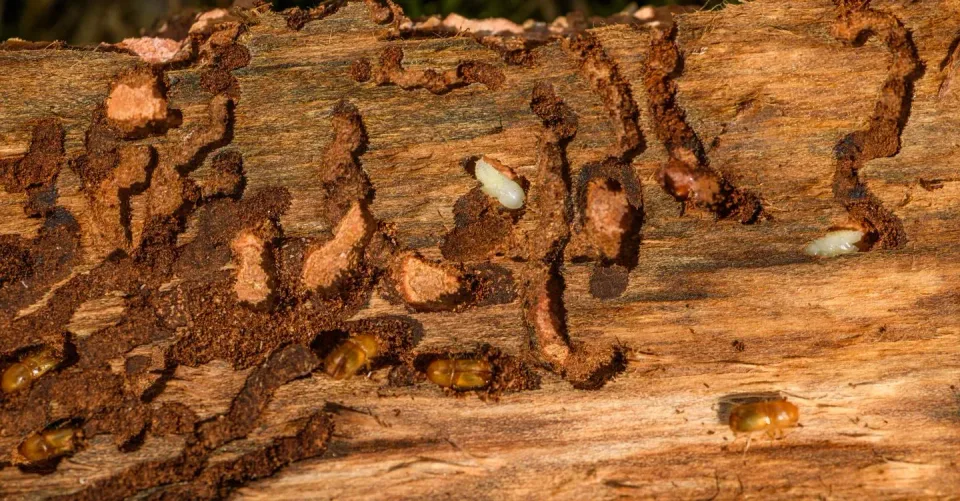
Bark Beetle Larvae — Pest Control

General Pest Control · Tea, SD

General Pest Control in Tea, SD for Centipedes, Silverfish and Pantry Moths

Rapid temperature changes can shift pest activity indoors, so a quiet week in a Tea home does not always mean the entry point is gone. Our team looks for the route pests use, not just the place where you spotted one.

  • Serving since 2017
  • South Dakota pesticide applicator licensing
  • General liability insurance
  • National Pest Management Association membership

Request a quote

Tell us what you need and we will call you back.

Request a quote

The Titans at Tea Area High School give us a familiar local reference point; nearby homeowners still need a treatment plan shaped around the details of their own property. We work in Tea’s newer suburban homes and attached garages, checking likely access points and explaining which findings matter before treatment begins. A better home for people, not pests, starts with practical prevention: close accessible gaps, reduce conditions that attract pests, and match any treatment to what we identify. Our crew inspects carefully and explains the next steps in plain language. No guesswork. SouthDakota Pest Solutions serves Tea, SD, with scheduling routed through our South Dakota dispatch. Tell us what you have seen and where; call (877) 729-2528 to arrange an inspection.

How Our Team Serves Tea Homes

Spring thaw can expose moisture and small foundation gaps around Tea homes, giving pests new routes inside; after thaw, check visible foundation edges and keep stored items away from damp areas. Heavy spring rains can also leave basement seepage that makes a careful lower-level inspection worthwhile. Titans at Tea Area High School is a familiar local landmark, but each property needs findings specific to its own layout.

SouthDakota Pest Solutions has served Tea for more than nine years. Our team schedules General Pest Control visits for Tea residents and property owners, identifies the pest before selecting a treatment, and explains what we plan to do.

Summer heat can speed insect activity, so report changing sightings and where they occur. We respect the home, answer questions plainly, and leave customers with clear preparation and follow-up guidance.

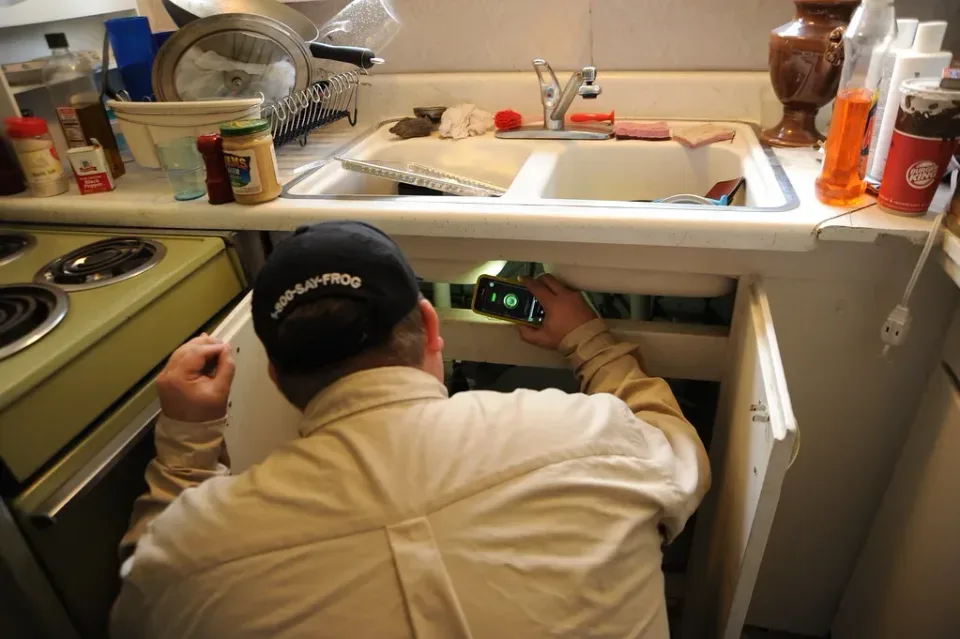
Pest Control Technician — Residential Service

What Pest Problems Do Tea Homes Need Checked?

Ant trails on kitchen counters call for a source check, not just wiping away the visible line. Tea’s newer suburban homes can have small exterior gaps around garages and utility openings; our crew traces activity and checks nearby entry points. At home, note where the trail begins before cleaning it.

Cold, windy winters and frequent snow and ice can make exterior seals harder to assess until conditions allow a close inspection. Freeze-thaw cycles can stress foundations and sealants, so our team checks accessible edges and recommends repairs where openings are evident. Look at visible sealant from ground level; do not climb or dismantle anything.

Tea customers in ZIP codes 57106 and 57064 can request an inspection. We identify the pest, review the property, and explain treatment and prevention steps suited to the finding.

Tea’s Humid Summers Change Indoor Pest Checks

Humid summer spells can raise indoor dampness, especially in Tea homes with basement foundations, so our team checks lower-level areas where moisture and pest activity may overlap. A homeowner can safely look for visible damp spots and note where they recur; avoid disturbing suspected nesting or harborage.

The Titans at Tea Area High School anchor a familiar part of Tea, while pest conditions still vary from one property to the next. Tea is inland, and weather can vary across the state; our crew bases a treatment decision on what we inspect at the home rather than assuming conditions elsewhere apply.

Black Hills elevations bring localized snowfall differences, a reminder that seasonal pest timing is not identical across South Dakota. For Tea visits, we focus on the property’s actual signs and access points.

What Treatment Rules Apply to Tea Pest Service?

Before choosing a treatment, we confirm the target pest at the Tea property; misidentification can lead to an unnecessary or poorly matched application. South Dakota commercial applicator licensing through SD DANR applies to commercial pesticide work, and our team holds South Dakota pesticide applicator licensing. The Titans at Tea Area High School are a local landmark, not a substitute for checking the rules that apply to a particular service.

FIFRA requires pesticides to be used according to their product labels, including approved uses and directions. OSHA’s Hazard Communication Standard requires chemical labels and safety data sheets to communicate hazards to workers.

Tea customers should ask what preparation and re-entry instructions apply to their treatment. We explain the product directions, keep the plan specific to the confirmed pest, and help customers understand the applicable safety steps.

Why us

Local General Pest Control in Tea, SD

Get a clear treatment plan shaped around your property and the pest activity you’re seeing.

Local Conditions

The team works across South Dakota’s regional markets and understands how local buildings and changing prairie conditions can affect pest activity. Recommendations are based on what a technician finds at your Tea property, not a one-size-fits-all plan.

Scope Agreed First

A technician inspects the site, explains the recommended approach, and discusses the work with you before treatment. You can ask questions and understand the proposed scope before deciding how to proceed.

Clear Follow-Up

You’ll hear what the inspection found and what the treatment plan involves. When that plan calls for follow-up, the team arranges it and explains any product-label directions you need to follow.

Our process

How a visit works

The process begins with your concerns and ends with clear guidance on the work completed.

01

Discuss the Concern

Tell the team what you’ve noticed and where activity is occurring. This gives the technician useful context and helps focus the visit on your property’s needs.

02

Inspect the Site

A technician checks the relevant areas and confirms the target pest before selecting treatment. You get an explanation of the findings and the recommended approach.

03

Apply the Plan

The technician carries out the agreed treatment and records the product, placement, and inspection findings. You’ll receive any applicable product-label directions, including ventilation or re-entry guidance.

04

Arrange Follow-Up

If the treatment plan calls for another visit, the team coordinates follow-up with you. You’ll also hear how to handle monitoring devices and any other instructions tied to the service.

Typical jobs

Typical jobs in Tea, SD

Across general pest control calls, the most common reasons people reach out are rodents, ants and stinging insects.

Typical job

Property owners report bed bugs and want

A technician inspects the affected property, confirms the target pest, and explains the recommended approach. The crew discusses the treatment scope with the owner before work proceeds, so the proposed service reflects the findings rather than an assumption about what the infestation needs. The owner gets a clearer picture of the work being considered and any follow-up the plan calls for. Keep affected areas accessible for inspection and follow the technician’s directions about preparation and re-entry.

Typical job

Residents notice mouse activity and ask for

The crew inspects the site to confirm the pest and understand where activity is occurring. A technician explains the recommended treatment approach and records inspection findings and any product placement, giving the customer a clear account of the work planned for the property. The customer learns what the inspection found and what the proposed treatment covers. If monitoring devices or bait stations are used, leave them undisturbed and follow the technician’s directions so the plan can be carried out as intended.
Warning signs

Early Signs to Notice

Ants Near Food

Ants scouting near food can be an early sign of activity indoors. Watch for isolated ants along a counter edge or near stored food, and note where they appear. Sharing those details during an inspection can help the technician assess the area.

Roaches in Daylight

A cockroach seen out in the open can be a sign to pay attention to. Notice whether activity occurs near appliances or other sheltered spots, and keep the area available for inspection so the technician can assess conditions and confirm the pest.

Webs in Corners

Fresh webs in basement corners can signal spider activity around sheltered spaces. Check corners periodically and note where webs appear. That observation gives a technician a useful starting point for inspection without disturbing the area before the visit.

Through the year

Pest Control Through the Year

Spring

Shifts from cold weather can bring new pest activity around homes and businesses. An inspection can help identify what is active, check likely entry areas, and shape a treatment plan for the conditions at your property.

Summer

Warm conditions and strong winds can change where pests gather and how they approach buildings. A technician can inspect reported activity, confirm the pest, and recommend treatment suited to the site rather than relying on a calendar.

Fall

As outdoor conditions change, pests may seek shelter in buildings. A property inspection can help identify current activity and areas that need attention, with recommendations based on the structure and findings at the time of service.

Winter

Cold prairie weather and occasional blizzards make indoor pest concerns worth addressing throughout the year. A technician can assess activity inside a home or business and explain a treatment plan that fits the site and confirmed pest.

Before you hire

Questions to Ask Before Hiring

Q1

Does the company hold the required pesticide applicator license?

South Dakota pesticide applicator licensing is relevant to pest treatment work. Ask who will perform the service and whether the company holds the applicable license, so you understand who is responsible for the treatment at your property.

Q2

How are appointments scheduled in Tea?

The team coordinates appointments from Sioux Falls and serves regional markets across South Dakota. Ask how scheduling works for your location and what timing to expect, so you can plan access to the property.

Q3

What access or preparation is needed?

Some treatments require access to specific areas or preparation beforehand. Ask what to move or clear, whether food, dishes, or pet bowls need to be removed, and how children and pets should be kept away during labeled application.

Q4

Are follow-up visits or contract terms involved?

Ask whether the recommended plan calls for follow-up, how those visits are arranged, and whether any contract terms apply. Knowing the expected scope and ongoing commitments helps you decide whether the service fits your needs.

Ready to get started?

Call to talk through your job in Tea.

Services We Offer in Tea

5 services for homes and businesses in Tea. Pick one to see what the job involves.

Rat Control in Tea, SD

Rat Control covers trapping and exclusion for homes and properties; South Dakota jobs typically run $200–$600, depending on access and exclusion work.

Mosquito Control in Tea, SD

Mosquito Control for South Dakota yards and shared outdoor spaces; treatment scope and access affect typical $75–$150 visits. Near Lake Kampeska, Watertown, standing water deserves attention.

Asian Lady Beetle Treatment in Tea, SD

Asian lady beetle treatment for homes includes exterior and entry-area checks; a typical visit may run $150–$400, depending on home size and access.

Cluster Fly Treatment in Tea, SD

Cluster Fly Treatment targets indoor fly activity in homes and buildings; scope and access affect the job price.

Pantry Moth Treatment in Tea, SD

Pantry Moth Treatment checks stored-food cupboards and affected shelves; a small job may run $150–$300, depending on infestation size and access.

9+

Years serving Tea

5

Services offered

46

Areas served

FAQ

General Pest Control FAQs in Tea, SD

Straight answers for customers in Tea on pricing, delivery, and scheduling.

What should I check before a pest inspection in Tea?

Write down where and when you saw activity, and check visible areas without moving heavy appliances or disturbing suspected nests. In Tea, tell our team whether the sighting was in an attached garage, basement, or living area so we can target the inspection.

Does every pest sighting need pesticide treatment?

No. We first confirm the pest and inspect the conditions at your Tea property. Depending on the finding, the plan may include monitoring, entry-point recommendations, treatment, or a combination; we explain the reasoning before proceeding.

ZIP code

ZIP Codes We Serve in Tea, SD

General Pest Control covers every ZIP code in Tea, SD.

5710657064
Local Leadership

Meet Your Local Experts

Daniel Mercer Lead Expert

SouthDakota Pest Solutions

"Practical Pest Control Across South Dakota"

I started this company in Sioux Falls after learning pest control work and seeing how South Dakota’s long winters and quick seasonal shifts bring different pest problems to homes and businesses. I built my trade around careful inspections, clear treatment plans, and prevention suited to local buildings and conditions.

9+ years experience South Dakota pesticide applicator licensing General liability insurance National Pest Management Association membership
Get a Quote

Get a General Pest Control Quote in Tea, SD

Share job details below or call our team directly. Phone: (877) 729-2528

Call Us

(877) 729-2528

Our Location

Tea, SD

Working Hours

Mon–Sun 8 AM–9 PM