What Does South Dakota Commercial Applicator Licensing Tell You?
A bed bug appointment should start with a clear inspection plan, not an automatic promise to spray everything. South Dakota commercial applicator licensing through SD DANR is one credential to verify, then ask how the technician will identify the pest and explain the proposed treatment. Keep the job specific.
-
Confirm the person: Ask who will inspect and perform the work, and whether that person holds the relevant South Dakota pesticide applicator license.
-
Ask about the plan: A caller requesting someone to spray for bed bugs should expect questions about affected rooms and findings before treatment is selected.
-
Check the service record: A provider should be able to explain what work is planned and what documentation will be left with you.
The South Dakota State Capitol in Pierre is a reminder that state oversight is part of the local framework, while South Dakota State University in Brookings is a familiar statewide institution not a substitute for checking a technician’s credentials. We inspect, explain the plan in plain language, and invite questions before work begins.
What Does a Commercial Applicator License Cover?
A license is a useful starting point, not a reason to skip questions about the actual job. Ask whether the technician’s credentials match the pesticide work being proposed, and request a plain explanation of the target pest, treatment location, and precautions. In South Dakota, commercial applicator licensing is handled through the Department of Agriculture and Natural Resources; a professional should be able to identify their licensing status without turning the conversation into a guessing game.
Documentation matters. A commercial account should retain the service record and be able to see what was inspected, where work occurred, and what follow-up was recommended. That paper trail helps a manager compare recurring pest activity with the treatment plan. Our crew has served South Dakota for more than nine years, and we explain findings before recommending work.
Which Questions Reveal Careful Product Use?
Ask what product is being considered and how its directions apply to the site. Federal pesticide law requires application according to product labeling; the label sets approved uses and application directions, rather than leaving those choices to preference.
Regulated products also carry an EPA registration number. You can ask the technician to show you the product label and explain the relevant directions in everyday terms.
South Dakota’s weather makes timing and inspection important. Eastern South Dakota generally receives more precipitation, so moisture conditions around a building may differ from those in the drier western part of the state.
Rapid temperature shifts can also change where pests show up indoors; a sighting in one room is useful evidence, but not always the full extent of the problem. We check the reported area and nearby conditions before selecting a treatment.
When Should You DIY or Call a Pro?
For a single, clearly identified pest and a small, accessible area, a homeowner may decide to follow a consumer product’s label directions. Stop and seek professional help if the pest is uncertain, activity continues, or treatment would involve sensitive areas, repeated applications, or a larger property. Do not guess at a product or mix treatments.
Cold, windy winters and frequent snow and ice can change pest pressure around buildings; after people close up a property for the season, new signs indoors deserve a careful inspection. We have seen customers focus on the first visible insect while overlooking the entry or harborage that keeps activity going.
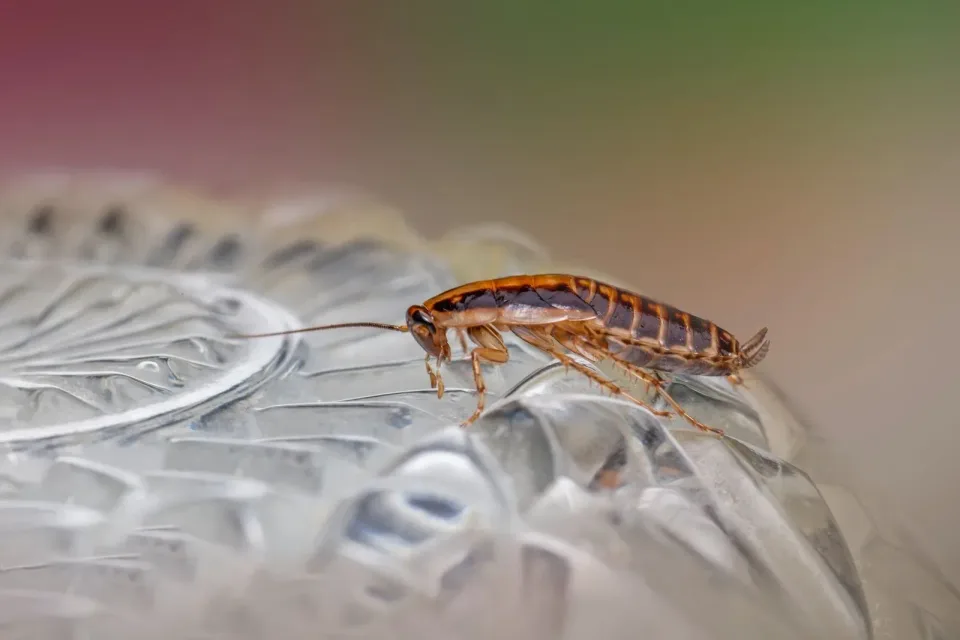
The South Dakota Cultural Heritage Center in Pierre is a useful point of reference for statewide history, but pest conditions still need to be assessed at the individual site. For a kitchen issue, our cockroach inspection and treatment service can help determine whether activity beneath appliances needs professional attention.
How Do Seasonal Conditions Change the Inspection?
The 1880 Town near Murdo offers a reminder that buildings and their surroundings differ; a treatment plan should fit the actual structure, not a generic description of South Dakota property. In the Black Hills, Dignity of Earth and Sky near Chamberlain, and around other parts of the state, seasonal conditions can shape when pests move indoors and where an inspection should begin.
Winter cold and blowing snow can make exterior checks less straightforward, so ask what the technician could inspect and what should be revisited later. A property manager should also report recent pest sightings and any changes in activity rather than assuming last season’s pattern will repeat. We document what we find and explain practical follow-up steps, including when another inspection would help assess the result.
How Licensing Relates to Residential Pest Protection
The right service depends on the building, pest evidence, and whether the goal is to address current activity or prevent repeat problems. Residential property protection can include professional inspection and label-directed product use, while routine property maintenance services help reduce conditions that attract pests.
During drought periods, pests may move indoors seeking moisture, so a technician should consider water sources as well as sightings. Freeze-thaw cycles can stress foundations and exterior sealants, making a check of gaps and damaged seals a practical part of prevention.
| Option | Best for | Key detail |
|---|---|---|
| One-time general pest treatment | Current, identified activity | One visit targets the reported problem |
| Recurring residential pest prevention | Ongoing monitoring and prevention | Service frequency is set with the property’s needs in mind |
| Commercial integrated pest management | Business sites needing records and follow-up | Inspection and documented monitoring guide decisions |
| Interior targeted treatment | Confirmed activity inside | Treatment focuses on affected locations |
| Exterior perimeter treatment | Reducing pest access around the structure | Label-directed product use and site conditions guide application |
What Downtown Sioux Falls Site Preparation Involves
A prepared site helps the technician inspect accurately and follow the product directions. Severe storms may damage roofs and siding, so mention visible building changes that could affect pest entry before the appointment. Properties near Downtown Sioux Falls and elsewhere in the state still need a site-specific inspection; a familiar place name does not tell a technician what is happening inside your building.
-
Schedule with details: Share the pest seen, where it appeared, and when activity was last noticed.
-
Secure pets: Keep pets away from the work area before the technician arrives.
-
Clear treatment areas: Move stored items from locations that need inspection or treatment.
-
Identify sensitive spaces: Point out children’s rooms and any areas that need special attention.
-
Confirm directions: Ask what product is planned and follow its label-specific ventilation and re-entry instructions.
-
Keep the record: Retain the service notes and make them available onsite for future inspections.
Get a Clear Licensing and Treatment Plan
A useful hiring conversation covers the applicator’s South Dakota credentials, the pest being addressed, and the product directions that apply to your property. Spring thaw can expose moisture and foundation gaps, while summer heat can speed insect activity; report those conditions alongside the pest sightings so the inspection has a practical starting point. Summer thunderstorms may bring hail, wind, or localized flooding, which can also change what an exterior inspection can safely assess.
Ask for an inspection and a written explanation of the proposed work. For bed bug concerns or another general pest issue, contact SouthDakota Pest Solutions to discuss the property and arrange a clear next step.