Can You Handle Cockroaches Beneath Kitchen Appliances?
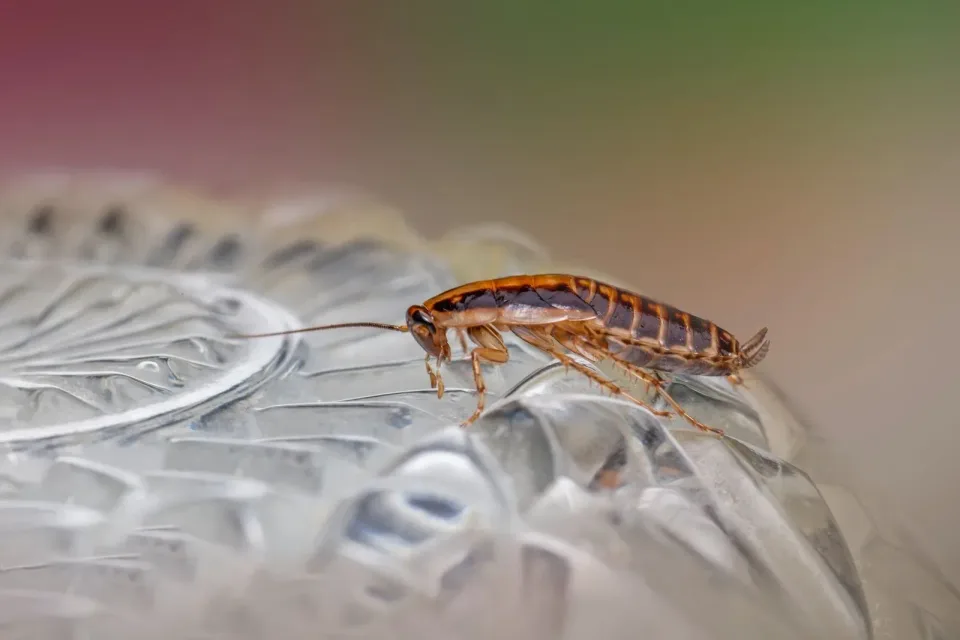
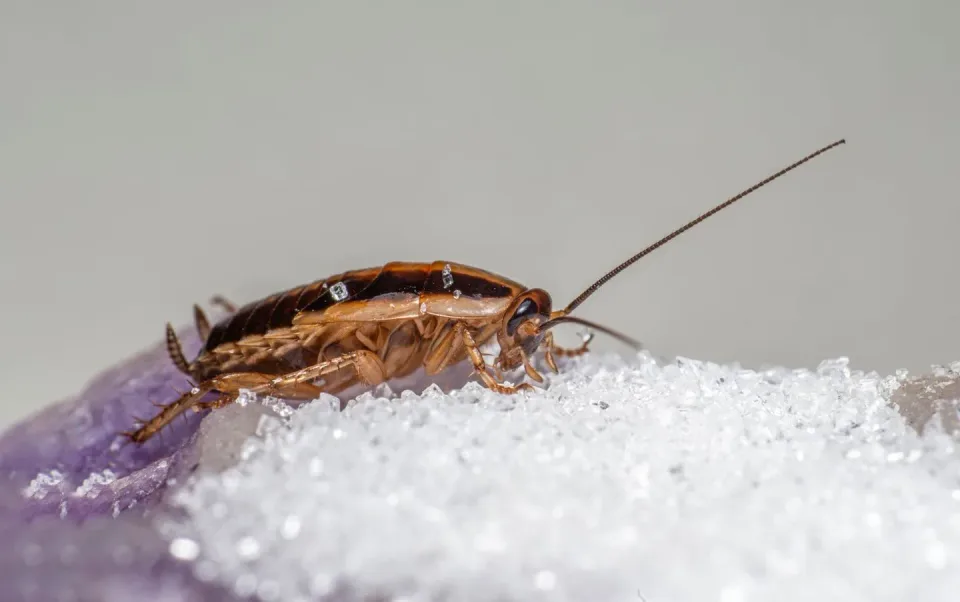
Cockroaches hiding beneath kitchen appliances may be manageable with careful cleaning and monitoring when sightings are limited, but repeated activity calls for a closer inspection. Start by removing crumbs and grease, then check where roaches appear rather than spraying blindly. A roach under the stove can be a sign of a nearby harborage, not a single stray insect.
We hear “because we are getting ate up” as a sign that the pest problem is affecting comfort and daily routines; note where and when insects appear so the source can be identified. A customer asking about bed bugs in an apartment they own needs a separate inspection and estimate, since that concern is not evidence of a cockroach problem.
Near 1880 Town in Murdo, South Dakota properties and travel distances differ, so describe the building and the affected rooms when seeking help. South Dakota’s wide seasonal temperature shifts can change pest activity indoors. We inspect and explain findings before recommending a treatment.
What can you clean beneath appliances yourself?
If you find cockroaches beneath a refrigerator or stove, begin with safe access and a thorough cleanup. Unplug an appliance only if you can do so safely, and avoid pulling a heavy unit across flooring or disconnecting a gas line.
Vacuum visible insects, egg cases, and debris, then empty the vacuum contents into a sealed bag and remove it from the home. Wipe away grease and food residue; keep food sealed and fix drips that leave water available overnight.
Do not spray a product into a motor, electrical connection, or inaccessible void. A label may not allow that use, and a misplaced spray can complicate later treatment. South Dakota summer heat can speed insect activity, so clean and inspect promptly when sightings increase. Simple cleanup helps. It does not identify every hiding place.
When is DIY monitoring no longer enough?
A glue board placed beside not against a warm appliance can help show whether activity continues and where it is concentrated. Check it regularly and record the date and location. One captured roach does not establish the size of an infestation, but repeated catches, small roaches, or daytime sightings are reasons to stop guessing and seek an inspection.
Spring thaw can expose foundation gaps and moisture around a home; those conditions may create access or water sources worth checking as part of the wider inspection. Freeze-thaw cycles also stress foundations and exterior sealants, so note visible gaps rather than filling an area without understanding what it connects to.
Near Dignity of Earth and Sky in Chamberlain, a property still faces the same practical question: are insects limited to one appliance, or turning up elsewhere? We check likely harborage and explain the evidence.
What does professional roach treatment address?
A useful roach treatment starts with identification and inspection, not a routine spray. We look around appliance motors and warm edges, check nearby cabinets and plumbing, and ask where sightings occur. The plan may use targeted roach treatment in appropriate locations, paired with sanitation and monitoring; placement depends on the site and product directions.
Summer thunderstorms can bring hail, wind, and localized flooding in South Dakota. If storm damage or water intrusion has left a kitchen damp, report it during the inspection so moisture concerns are not overlooked.
Around Wind Cave National Park, seasonal weather is part of the property context, but indoor findings determine the actual treatment. We explain what we found and what the customer should do next.
When should you call a professional?
Call for an inspection when roaches keep appearing after cleaning, activity shows up in more than one room, or you cannot safely move an appliance to check behind it. Do not combine sprays, foggers, or baits without checking their labels; overlapping products can create exposure risks and interfere with targeted control. For general guidance on pest work, see our South Dakota commercial applicator licensing guide.
At Palisades State Park, visitors may see a very different setting from a kitchen, but the homeowner’s decision is straightforward: persistent indoor activity merits identification before more products are applied. Our crew has served South Dakota for more than nine years and uses careful inspection and clear treatment plans. For service information, visit Cockroach Extermination.
Which Roach Treatment Option Fits Your Kitchen?
Choose an approach based on whether you need to confirm activity, address current insects, or reduce conditions that let them persist. A targeted interior approach is not the same as broad perimeter work.
| Option | Best for | Key detail |
|---|---|---|
| DIY cleaning and monitoring | Limited sightings around one appliance | A glue board can help track activity; keep it out of reach of children and pets. |
| Interior targeted treatment | Confirmed activity in specific indoor areas | Product and placement must fit the site and label directions. |
Brookings Downtown Historic District homes may differ in layout and age, so appliance access and inspection findings matter more than a one-size plan. Corn Palace visitors know Mitchell’s landmark; for kitchen treatment, the useful detail is the actual evidence inside the home.
Falls Park in Sioux Falls is another familiar local reference, while South Dakota’s localized snowfall differences at Black Hills elevations can affect seasonal property conditions. Ask what will be treated and what preparation is needed.
How Do You Prepare for Roach Treatment?
You find roaches under the refrigerator, but the kitchen is also where children eat and pets drink. Tell the technician about those areas before treatment; preparation and label instructions should fit the household.
-
Record sightings: Note the appliance, room, date, and whether you saw one insect or repeated activity.
-
Identify sensitive areas: Point out children’s rooms and any spaces where household members need special care so the plan can account for them.
-
Clear treatment areas: Remove stored items, food, dishes, and pet bowls from locations the technician may need to inspect or treat.
-
Secure pets: Keep pets away from the work area before the technician arrives and follow the instructions provided.
-
Review directions: Follow product-label ventilation and re-entry instructions rather than relying on a general waiting time.
-
Keep records: Store service records onsite so product and placement notes are available for follow-up.
Cold, windy winters and frequent snow or ice can make scheduling and access harder, so confirm safe entry arrangements. Low winter humidity can dry indoor wood; do not mistake seasonal wood changes for evidence of roaches. If you are near Downtown Rapid City or Good Earth State Park, use the same practical checklist: give the crew clear access and specific sighting locations.
Ready to Get Help With Kitchen Roaches?
Cleaning crumbs, removing grease, and tracking sightings are useful first steps when cockroaches show up beneath an appliance. If activity keeps returning, appears in several places, or the appliance cannot be checked safely, ask for an inspection rather than adding more products.
In South Dakota, continental weather brings wide seasonal temperature swings, so explain when the problem began and whether activity has changed. The Black Hills National Forest is a familiar regional landmark, and Mount Moriah Cemetery in Deadwood gives another local point of reference; wherever you live, the treatment plan should be based on the kitchen findings.
A written service report helps you understand what was inspected and what follow-up makes sense. Contact SouthDakota Pest Solutions for an inspection and a clear next step, or learn about our Cockroach Extermination service.